
It’s been almost 2 years since my last pilgrimage walk, along the the Way of Saint Benedict in Italy, and 5 years since my last longer walk. After getting through some medical issues last year, and celebrating my 70th birthday, it’s time to head off again. I’ve decided to walk the 610km from Lisbon to Santiago de Compostela along the Portuguese Way.
Some background
After Muslim armies from North Africa conquered most of the Iberian peninsula in the early 8th century, the Christian kingdoms were reduced to the very north of present day Spain. The reconquest took many centuries.
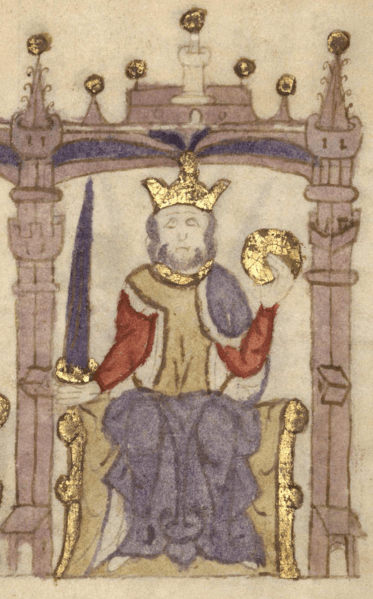
By the 12th century, the north of present day Portugal had been reconquered. Alfonso Henriques led a revolt against his mother Theresa of León, who was ruling the North-West corner of Iberia, and in 1139 became the first King of Portugal. The Portuguese then mainly focused on reconquest of lands to the south, and in 1147 Lisbon was captured after over 400 years of Muslim control. It became the capital of Portugal in 1255.
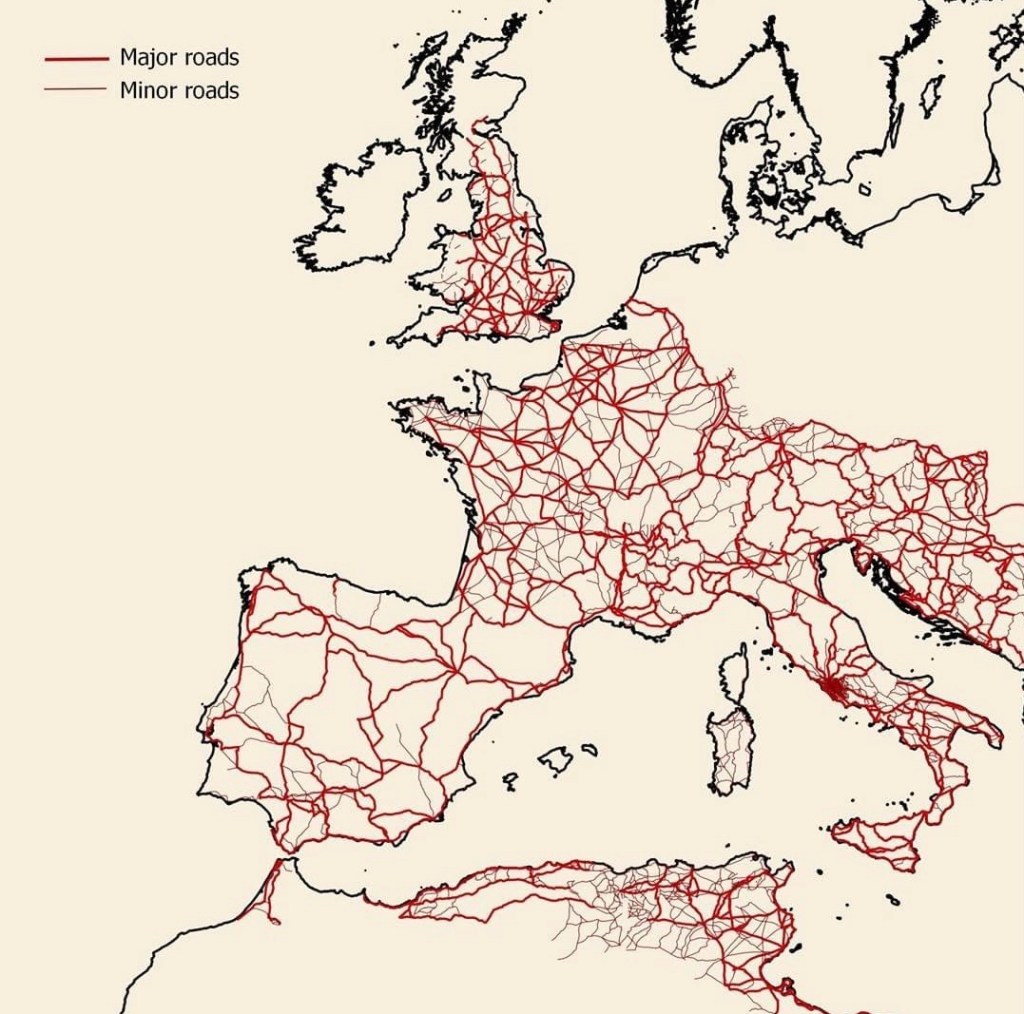
Pilgrimages to Santiago from Portugal were often by sea, but a land route developed following the ancient Roman roads which were still in use.
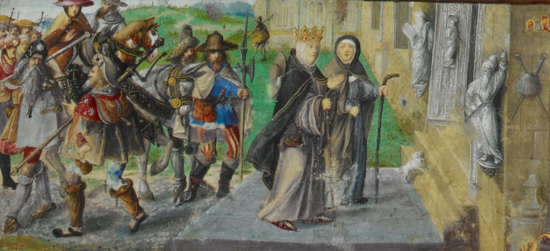
The pilgrimage to Santiago by Queen Isabel of Portugal in the early 14th century left records of a traditional route from Lisbon, for example. The path I’ll be following follows much of this route.

Lisbon
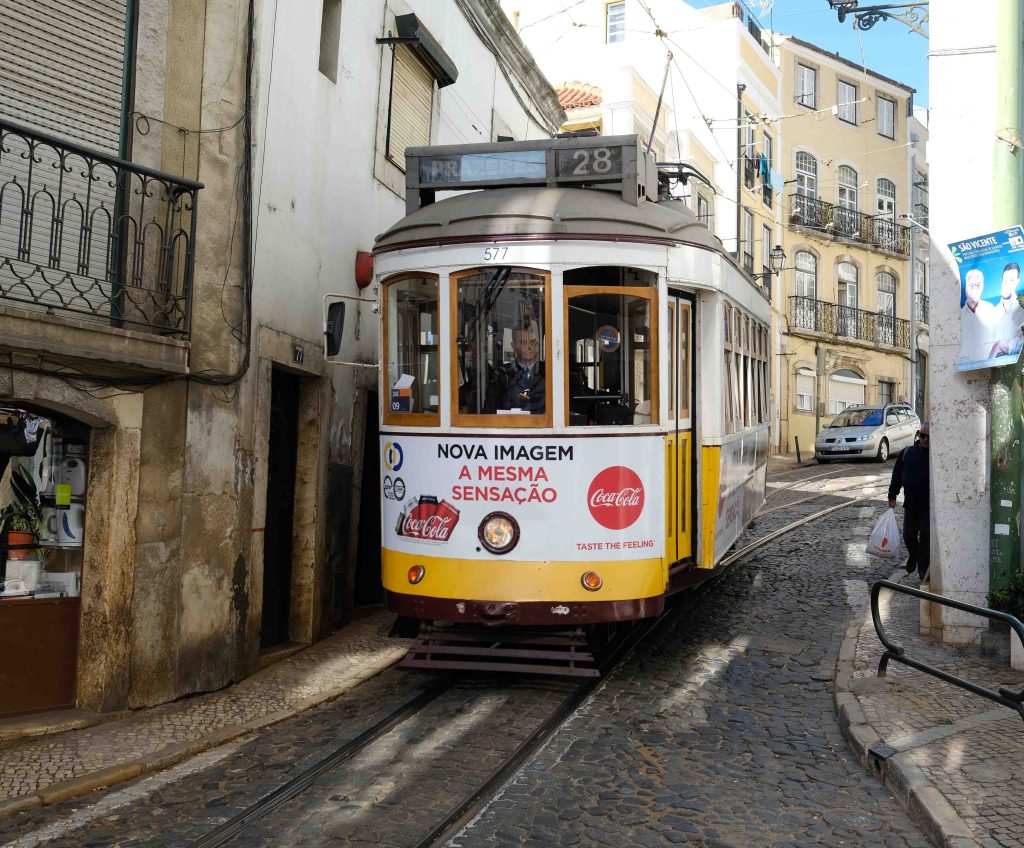
Lisbon is situated on the estuary of the Tagus which is the longest river in the Iberian peninsula, flowing over 1,000km from the mountains east of Madrid. I’ll be following the river for the first 6 days of my walk.

With a population of almost 3 million, Lisbon is home to around 30% of Portugal’s population.The city was almost totally destroyed by a severe earthquake in 1755, and this is reflected in the architecture of the old quarters of the city.

I arrived mid afternoon and headed straight to Sé Cathedral to get the first stamp for my credencial or pilgrim’s passport. I’ll be gone by the time it opens tomorrow.

The cathedral was built in the 12th century on the site of the mosque and a previous church from late Roman times.

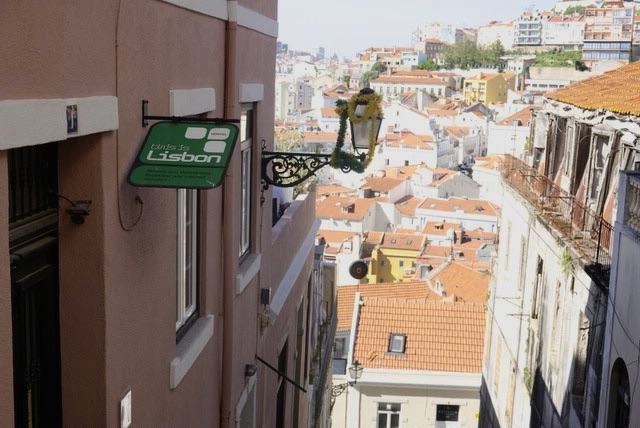
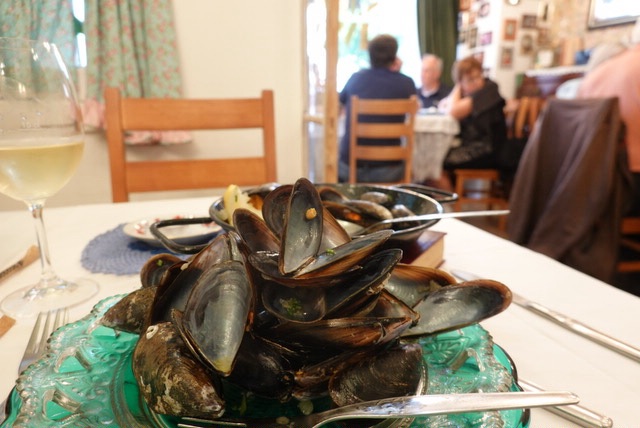
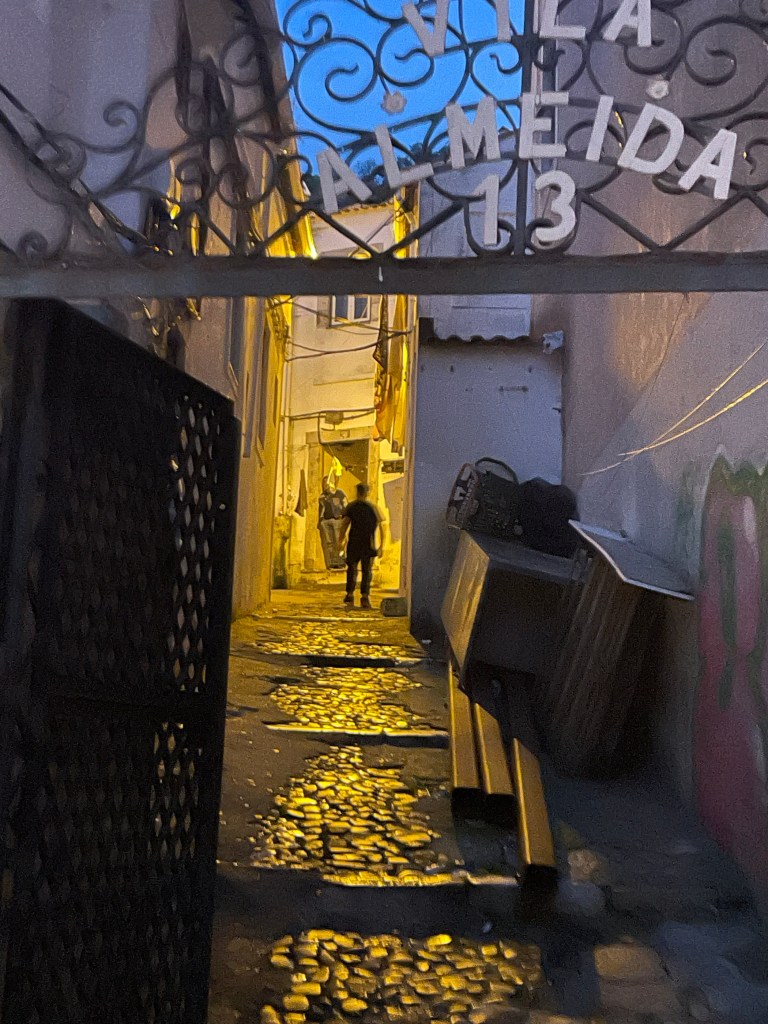

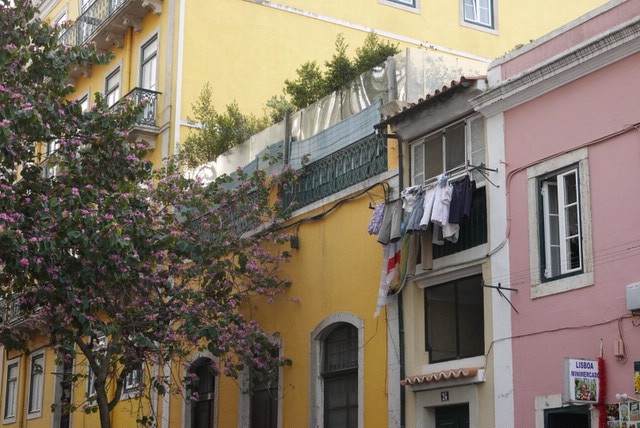
I was in a bit of a quandary regarding my first day. The first town with easily bookable accommodation is a 35km walk away. This was way too much for my first day, especially with a lot of the walking being on hard surfaces.
I had thought of catching a train to start beyond the suburbs, when a week ago, a new place along the way popped up on booking.com. Despite the dodgy name of “The Purple Spa”, I’ve booked there.
It will be an interesting day.
 Paul's Walks Through Europe
have a great walk. Hope the Purple Spa is OK 👍
LikeLiked by 1 person
So do I!
LikeLike
Thanks a lot for your history lesson and in the same time to help me training my English … Have a Nice trip tomorrow Thierry
LikeLiked by 1 person
Thanks Thierry
LikeLike
I look forward to hearing about The Purple Spa and your first day back on Camino. I’m glad for you and happier still that you are taking us with you again. Buen Camino!
LikeLiked by 1 person
Thanks Karen
LikeLike
So how far away from setting off point in Lisbon is it to the Purple Spa?
LikeLike
Hi Gina It’s just over 20km. The alternative, Vila Franca de Xira, was 35km which for me is too long for a first day walking.
LikeLike
I’m looking forward to following along. bom Caminho.
LikeLiked by 1 person
Thanks Kay.
LikeLiked by 1 person
Yay! You’re
LikeLiked by 1 person
Happy and safe travels Paul
LikeLiked by 1 person
Thanks Paul
LikeLike
Good to see you back long distance walking. I look forward to joining your pilgrimage vicariously in the weeks ahead. Buen Camino from a temporary companion early on the del Norte route Sept 2019.
LikeLiked by 1 person
Thanks Karen. That seems so long ago now .
LikeLike
That’s great news Paul, hopefully the weather will be kind to you.
I’m looking forward to your regular dispatches.
LikeLiked by 1 person
look forward to your review of the purple spa….
good to see you out on another long walk !
LikeLiked by 1 person